
Эмийн судлаачид болон Хятад уламжлалт анагаах ухааны (ТКУ) эмч нарын хувьд ургамлын боловсруулалт дахь төвөгтэй асуудал нь техникийн нэг асуудал юм:/bятгар хуурай харш эсвэл ургамлын цэвэрлэгээний явцад идэвхтэй бүрэлдэхүүн хэсгийн муудалтыг хэрхэн зайлсхийх вэ?Хэд хэдэн эмийн ургамлын хамгийн үнэ цэнэтэй бүрэлдэхүүн хэсгүүд болох уур агуулсан тос, алкалоид болон халуунаас хамааралтай гликойд нь химийн хувьд эмзэг байдаг. Эдгээр молекулууд уламжлалт ил гал дээр чанахад шаардлагатай өндөр температурт өртөхөд тэд дулааны задралд орж, бараан, үнэр багатай, эмийн шинж чанар бүхий сул лацтай цэвэрлэгээ үүсгэдэг.
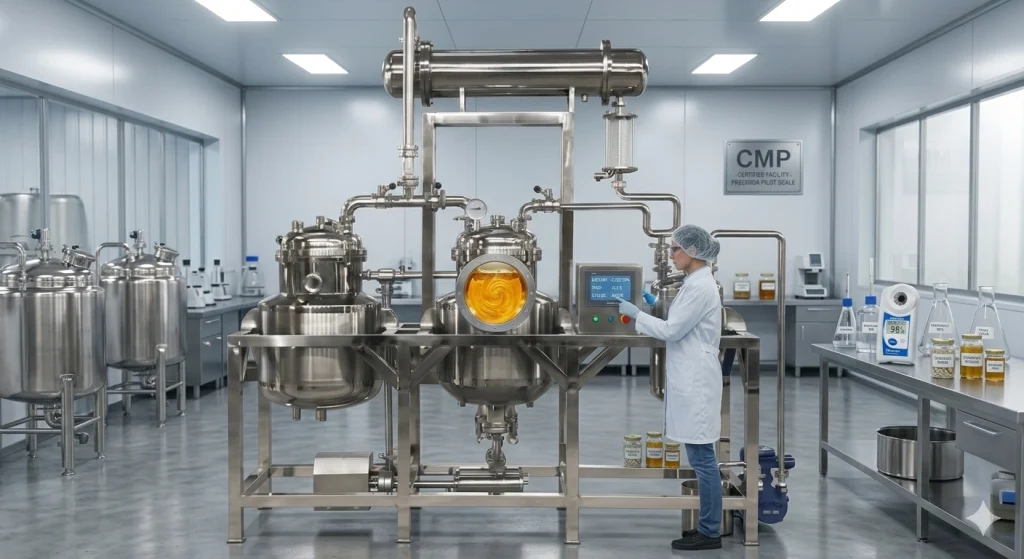
Мэргэжлийн форумуудад tulad дарагдах зүйлгүйReddit-ийн r/PharmaбаКуорагийн Органик Химитус хэсгүүд, "буцлах цэгийн парадокс" нь байнгын маргааны сэдэв болдог. Хэрэглэгчид ихэвчлэн асуудаг бөгөөд хэрхэн тэд өөрсдийн материалын эмчилгээгийн ач тусыг “амтлахгүйгээр” өндөр концентрацид хүргэх вэ гэдгийг асууж байна. Хариулт нь сөрөг даралтыг ашиглахад оршиж байна. Үүний тулд дараахь арга хэмжээг авч болно.Дотоод температурийн вакуумтай шингэн гаргаж авах ба төвлөрүүлэх нэгж, үйлдвэрлэгчид тэдний уусгагчдын буцлах цэгийг бууруулж, үр дүнд нь шийдлээ олдогцэцгийн цэвэршүүлэх явцад идэвхтэй найрлагын задралтаас хэрхэн сэргийлэх вэ.
Google-ийн дагууХүмүүс мөн асуудаг (PAA)мэдээлэл, мэргэшсэн хүмүүс улам ихээр хайж байна:
Техникийн бодит байдал нь 60℃-ээс дээш халаах бүр зэрэгцээ молекулын кинетик энерги нэмэгддэг бөгөөд энэ нь исэлдэх болон нарийн идэвхжүүлэх ферментийн сүйрэлд хүргэдэгПанчийн вакуум төхөөрөмжТүлшний даралт ≥0.092 МПа буюу вакуум түвшинг ашигладаг. Энэ орчинд, ус 100℃ хүрэх шаардлагагүй бөгөөд тайван 45℃-55℃-д буцалж чадна. Энэ бага дулааны мөр маань хамгийн үр дүнтэй арга юм.ыг ургамлын цэвэршүүлэлтийн үеийн идэвхтэй найрлага задардаггаас сэргийлээрэйЭцсийн гаргаж авсан бүтээгдэхүүний химийн “хээ” нь түүхий ургамлынхтай тохирохыг баталгаажуулах.
Эмийн цэвэршүүлэлтийн чухал сул тал нь шингэнийг өөр өөр машинд шилжүүлэх үеэр исэлдүүлэх явдал юм. Халуун шингэнийг асгаах эсвэл шилжүүлэх үед тэрээр исэлддэг. Панчи FM-серия үүнийг шийдвэрлэхийн тулд интеграцчилсан байдаг.Гадагшлуулах, цэвэршүүлэх, төвлөрүүлэхнэг, хаалттай цикл систем болгох.
| Параметр | JYJ-50 (Гадагшлуулах) | TNS-50 (Концентрац) | Стратегийн Давуу тал |
| Буцлах цэг | 45-80 градус Цельсий | 45-60 градус Цельсий | Агаарын дэлбэрэлтийг preventucks. |
| Материал | 304 эсвэл 316L Зэсийн ган | 304 эсвэл 316L Зэсийн ган | Тэглээ харшлын бохирдолгүй. |
| Цэвэршүүлэх | Ра 0.4ум эсвэл бага | Ра 0.4ум эсвэл бага | Материалын "бөглөлт" үүсэхээс сэргийлнэ. |
| Алга ташилт | Товч Замчилсан нисгэгч | Товч Замчилсан нисгэгч | Тэгшцэнгийн эмнэлгүүдэд тохиромжтой. |
Төгс эзэмшихэдцэцгийн цэвэршүүлэх явцад идэвхтэй найрлагын задралтаас хэрхэн сэргийлэх вэ, операторууд зөвхөн машин дээрээ анхаарахгүй, өгөгдөл дээр ч анхаарлаа төвлөрүүлэх хэрэгтэй.
Толь-эцсийн ариун цэвэр:Мөргөлт нь биологийн салбарт ч байж болно. Урьдчилан гарагдсан материалууд ферменттэж эсвэл мөөгөнцөртсөн байж болно. Панчи нэгжийн тусгалтай гадна талын дотор хэсэг нь Цэвэрлэж байрлуулах (CIP) үе шатууд 100%-ийн үр дүнтэй байдгийг баталгаажуулдаг бөгөөд ингэснээр хослолын доторх муудалт үүсэх эрсдэлийг арилгадаг.
VFD Шингэрүүлгийн удирдлагаӨөрчлөгч давтамжийн жолоодогчийг ашигласнаар хутгалтын хүчдэлийг тохируулах боломжтой. Өндөр өтгөрүүлсэн пастанд удаан, тогтвортой хутгаснаар гадаргуун дээр хэсгийн дулааны цэгүүд үүсэхээс сэргийлнэ.
45 градусын хязгаарӨндөр мэдрэмжтэй ургамлын ханд (жишээ нь Гинзенозид эсвэл тодорхой цэцгийн тосууд) ууршилтад зөвшөөрсөн вакуумыг хадгалахыг шаарддаг.45 градус ЦельсийнМэргэжлийн стандарт нь “Premium Grade” үр дүнд зориулагдсан юм.
Традицийн чанамалдан хуваах аргаас вакуум суурьтай концентраци руу шилжих нь «урлаг»-аас «нарийвчилсан шинжлэх ухаан» руу шилжих явдал юм. Үйлчлүүлэгчид болон зохицуулах байгууллагууд илүү хүчтэй бодис, цэвэр бохирдол багатай байхыг шаардаж буй зах зээлд энэ асуулт үүсдэг.цэцгийн цэвэршүүлэх явцад идэвхтэй найрлагын задралтаас хэрхэн сэргийлэх вэүргэлжлэх боломжгүй болсон.
Тохирох байдлаар ашигласнаарПанчи вакуум бага температурт шингэн гаргаж авах болон төвлөрүүлэн төвлөрүүлэх хэсэгҮйлдвэрлэгчид стандарчилсан, өндөр хүчин чадалтай бүтээгдэхүүн үйлдвэрлэхийг баталгаажуулж болно. Та жижиг, тусгайлан боловсруулсан ургамлын зууш үйлдвэрлэж байвал эсвэл фармакологийн судалгаа хийж байгаа байвал, дулааны орчныг хянах чадвар нь таны амжилтанд нэн чухал хоёрдогч хүчин зүйл болно.
Энэ нэгж ус болон спиртийн үндэслэлтэй гаргаж авах үйлдлийг хийх боломжтой юу? Хариулт:Тийм ээ. Систем нь уусмал болон спиртийн задлалд зориулан бүтээгдсэн байна. Хийн даралтын параметрийг тохируулах боломжтой бөгөөд ингэснээр буцлах цэг нь аль ч уусмалдах талаар задралын хязгаараас доош байхаар тохирсон байдаг.
Холболтын систем хэрхэн ууршилт тосыг алдахгүй байхаас сэргийлдэг вэ? Хариулт:Босоо конденсёр хөргөсөн усын эргэлтээр уусгагч уурыг хурдан шингэн болгон хувиргадаг. Салбар нь зөвхөн сөргөөр даралттай тул дүрвэх өртөггүй тос түлхүүр уур гарч чадахгүй бөгөөд тэдгээр нь цэвэрлэгээний материалд баригдаж эсвэл уусгагч саванд буцдаг.
Q: Тухайн тоног төхөөрөмж GMP сертификаттай байгууламжуудын шаардлагад нийцэж байна уу? Хариулт:Мянган хувь. Бүх хүрэх гарцаагууд итгэмжлэгдсэн 304 эсвэл 316L гангаар хийсэн бөгөөд тусгасан гэрлээр гялалзсан төгсгөлтэй (Ра 0.4ум эсвэл бага) хамгийн хатуу эм зүйн ариун цэвэр ба ариутгалын стандартыг хангасан байдаг.


Whatsapp:+8615736768129
Имэйл:inquiry@panchimachinery.com
Хаяг: Жэнжөү, Хэнань муж, Хятад
Автомат цэвэрлэхгүй вакуум балийн бал будаа боловсруулах болон шүүж гаргагч машин
Дотоод температурийн вакуумтай шингэн гаргаж авах ба төвлөрүүлэх нэгж
Захиалгат уурын буцалтгүй бөгөөд халуун эргүүлэгтэй үндэсний тостой хэрэгсэл
SS304/316L Доод температурын вакуум хутгаар цуглуулгагч
QN Ялгуусан Ядруу Хийн Соруулах Тоноглол болон Алимний Хураагуур unit
Олон үйлдэлт Шингэн ган Вакуум Шарагдах ба Татах нэгж
Халуун буцах авсаархан хийн шингэн ялгах ба концентрацийн нэгж
Ганц үйлчлэлтэй гадагшаа эргэлтийн вакуум концентрацифер
SJN цуврал хоёр үр ашигтай гадаад эргэлтийн хийн вакуум буцалгагч
Бид нэг ажлын өдөрт багтаан тантай холбоо тогтоох болно. Таны и-мэйлд анхаарлаа хандуулаарай.
Автомат цэвэрлэхгүй вакуум балийн бал будаа боловсруулах болон шүүж гаргагч машин
Дотоод температурийн вакуумтай шингэн гаргаж авах ба төвлөрүүлэх нэгж
Захиалгат уурын буцалтгүй бөгөөд халуун эргүүлэгтэй үндэсний тостой хэрэгсэл
WhatsApp: +8615736768129
Имэйл: inquiry@panchimachinery.com
Хаяг:Женжоу, Хэний муж, Хятад улс


Зохиогчийн эрх© 2026Жэнжөү Панчи Машинизм Төхөөрөмжийн ХХК|Нууцлалын бодлого