
Эм зүйгийн синтезийн нарийвчлал чиглэсэн салбарт чадвартай байх ньхөвсгөр натурал болон наалддаг гэх янзын ургамлуудыг нунтаглахЭнэ нь үйл ажиллагааны үр ашигт хамгийн өндөр үнэлэмжийг өгдөг үзүүлэлт юм. Ерөнхий тоног төхөөрөмж нь механик саад тотгонд автдаг бол орчин үеийн инженерчлэл эдгээр тэсвэртэй материалуудын хувьд шинэчлэлт хийсэн “нэг дамжих” шийдлийг санал болгож байна. Та хатуу царцсан бүтэцтэй эсвэл өөх тос ихтэй үлдэгдэлтэй ажиллаж байвал ч, тогтвортой 800-шаазан хүрээгэчийн хүртээмжийг олж авах нь үйлдвэрлэлийн саад бэрхшээл биш болсон. Үйлдвэрлэгчдэд зорилго нь молекулын бүтцийг ямар ч хохирол учруулалгүйгээр эрс дүүргэж, өндөр нарийвчлалтай микронизац хийх явдал юм.
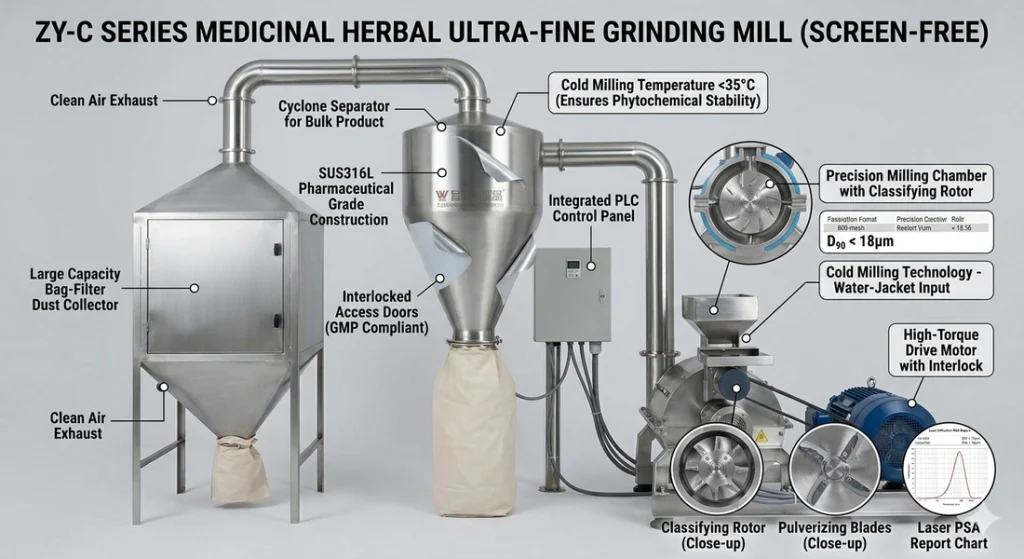
Эдгээр гарын авлага нь стратегийн чиглэл өөрчлөлтийг шинжилж байнаЭкраны хориотой тээрэмчлэлт- бат бөх байгаль орчныг физик болон химийн аргаар гүйцэтгэсэн, эдгээрийг яс, торго шиг нунтаг болгох цорын ганц найдвартай арга юм. Өндөр үр ашигтай интеграцийг ашигланЭмчилгээний ургамлын нарийн ширхэгтэй нунтаглагч тээрэм, процессорууд системийн уналтгүйгээр эцсийн ширхэгийн хэмжээг багасгахад төгсгөлгүйгээр боломжтой болсон.
Стандарт цахилгаант ирмэг нь гурван чухал инженерийн алдаагаас шалтгаалан өндөр бат бөх ургамлыг боловсруулахад үндсэндээ хангалтгүй байдаг:
ZY-C цуврал нь хальт дэлгэцийг бүрмөсөн орлох агаарын цохилтот хийнээр тулгаж, маш нарийн нунтаглалд шинэ оновчтой аргачлалыг тодорхойлсон.Экраны хориотой тээрэмчлэлт, хэсгийн тусгаарлалт нь дараахаас хамаарна: дотоод агаар ангилагч нь нунтаг түүхий эдийг физик хэмжээ биш, харин аэродинамик диаметр дээр үндэслэн ялгана.
Та үнэртэй ууршдаг бодисуудыг хадгалах үедхөвсгөр натурал болон наалддаг гэх янзын ургамлуудыг нунтаглахШуурхай шаарддагхүчтэй тээрэмдэх технологиДулааны хэтрэлтээс сэргийлж, манай архитектур хоёр түвшний дулаан менежментийг агуулдаг:
Манай байнгын ургамлын боловсруулалтын протоколыг баталгаажуулах зорилгоор бид хуурайжуулсан шпинц дээр туршилт хийлээ—энэ нь өндөр бат бөх уулгуудтай, хлорофиллын мэдрэмж өндөртэй газар зэрэг мэдэгддэг материал юм.
Техникийн ажиглалт
Тохиролцоогүй чацуу 20 микрон буюу түүнээс бага хэмжээний хэмжээс болох шаардлага нь анагаах ухааны физикმеханикийн үндэс юм. Энэ нарийвчлалыг хангахаар бид баталгаажуулдагӨвчний хана зурах (Лизэс), энэ нь үр дүнтэй гадаргуу талбайг 1,200 хувиас дээш нэмэгдүүлдэг. Энэ нь оновчтой болгодог:
Тохиролцоогүй чацуу 20 микрон буюу түүнээс бага хэмжээний хэмжээс болох шаардлага нь анагаах ухааны физикმеханикийн үндэс юм. Энэ нарийвчлалыг хангахаар бид баталгаажуулдагӨвчний хана зурах (Лизэс), энэ нь үр дүнтэй гадаргуу талбайг 1,200 хувиас дээш нэмэгдүүлдэг. Энэ нь оновчтой болгодог:
Зохицуулах боловсруулалтын орчинд тоног төхөөрөмж нь хатуу ариутгалын стандартад нийцэх ёстой. SUS316L Шатамхай гангаар төхөөрөмжийг бүтээх нь хуруу, биеийн дамжуулалтгүй байхаас гадна ашиглалтын хугацааг илүү урт болгоно.
| Техникийн параметр | Уламжлалт цохилтот тээрэм | ZY-C цуврал тээрмийн |
| Ялгаа гаргах арга | Биеийн шүүнүүрэг (Нүдийг сохлох эрсдэлтэй) | Тахьгүй тээрэмдэхАэроимпульс |
| Дулааны удирдлага | Зөвшөөрөлгүй (Гал түймэрийн эрсдэл) | Хүйтэн тээрэмдэх технологиТэгш температурт |
| Зорилтот нарийвчлал | 150 – 250 микрон (60-80 сүлжээ) | <18 микрон (800-1000 соронзон) |
| Нөөцийн гарц | 85% – 90% | 99.5% – 99.9% |
Амжилттайгаар эзэмшиж чадах чадвархөвсгөр натурал болон наалддаг гэх янзын ургамлуудыг нунтаглаха үйлдвэрлэлийн хэмжээнд урсгалын динамик ба материалын шинжлэх ухааны нэгтгэл шаарддаг.Панчи Машины**, бид мэргэжлийн нарийвчилсан бүтээн байгуулалт, туршилт-шатан дээрх шалгууртай хагас хэмжээний туршилтын уялдаа харилцааг хангах хамгийн сүүлийн үеийн технологийг ашиглан бэлдэж өгнөЭмчилгээний ургамлын нарийн ширхэгтэй нунтаглагч тээрэм.
Х: Та үр тариа шиг шувтгай ба туузан өвсийг нунтаглахад ямар гол саад тотгор гардаг вэ?
А:Нэрлэсэн гол асуудал нь ихэвчлэн бөглөрөл ба хуурайших явдал байдаг. Утсан суурьнууд ангиллыг бөглөнө, мөн наалдац янз бүрийн буцлах шингэн нь гулсах шингээлийн дулаанаас шингэрдэг. МанайЭкраны хориотой тээрэмчлэлтбахүчтэй тээрэмдэх технологиЭдгээр хувьсагчуудыг аэродинамик ба температурын удирдлагаар нэгэн зэрэг зохицуулж тэнцвэржүүлнэ.
Хүйтэн тээрэмдэх технологи тослог агуулсан материалын урсгалыг хэрхэн нөлөөлдөг вэ?
А:Түүний липидын хайлалтын температур доор субстратыг хадгалах нь "цемент" үүсэхээс сэргийлдэг. Ингэснээр нунтаглах хурд өндөр байхаас гадна машин ажиллах чадвартай болгодог.хөвсгөр натурал болон наалддаг гэх янзын ургамлуудыг нунтаглахдулааны системүүдээс илүү үр ашигтай бөгөөд урт хугацаагаар тасралтгүй ажиллагаа хийдэг.
С: Таны систем нойтон нунтаглалтын төхөөрөмжтэй тохирч байна уу?
А:Тийм. Нарийвчлалтай механик тагнуурууд болон зэврэлтэд тэсвэртэй хайлшуудаар хийгдсэн манай тээрмийн эд ангиуд төгс хийгдсэн байнахөвсгөр натурал болон наалддаг гэх янзын ургамлуудыг нунтаглаххоёр хуурай болон шингэн төлөвт, үнэхээр бүх нийтийн хоёр төрлийн боловсруулах шийдлийг санал болгож байна.


Whatsapp:+8615736768129
Имэйл:inquiry@panchimachinery.com
Хаяг: Жэнжөү, Хэнань муж, Хятад
Автомат цэвэрлэхгүй вакуум балийн бал будаа боловсруулах болон шүүж гаргагч машин
Дотоод температурийн вакуумтай шингэн гаргаж авах ба төвлөрүүлэх нэгж
Захиалгат уурын буцалтгүй бөгөөд халуун эргүүлэгтэй үндэсний тостой хэрэгсэл
SS304/316L Доод температурын вакуум хутгаар цуглуулгагч
QN Ялгуусан Ядруу Хийн Соруулах Тоноглол болон Алимний Хураагуур unit
Олон үйлдэлт Шингэн ган Вакуум Шарагдах ба Татах нэгж
Халуун буцах авсаархан хийн шингэн ялгах ба концентрацийн нэгж
Ганц үйлчлэлтэй гадагшаа эргэлтийн вакуум концентрацифер
SJN цуврал хоёр үр ашигтай гадаад эргэлтийн хийн вакуум буцалгагч
Бид нэг ажлын өдөрт багтаан тантай холбоо тогтоох болно. Таны и-мэйлд анхаарлаа хандуулаарай.
Автомат цэвэрлэхгүй вакуум балийн бал будаа боловсруулах болон шүүж гаргагч машин
Дотоод температурийн вакуумтай шингэн гаргаж авах ба төвлөрүүлэх нэгж
Захиалгат уурын буцалтгүй бөгөөд халуун эргүүлэгтэй үндэсний тостой хэрэгсэл
WhatsApp: +8615736768129
Имэйл: inquiry@panchimachinery.com
Хаяг:Женжоу, Хэний муж, Хятад улс


Зохиогчийн эрх© 2026Жэнжөү Панчи Машинизм Төхөөрөмжийн ХХК|Нууцлалын бодлого