
প্রকাশিত:বিশ্বব্যাপী প্রকৌশল ও সঙ্গতি দল
প্রযুক্তিগত পর্যালোচনা:সিনিয়র ফুড সিস্টেম ইঞ্জিনিয়ার (মধু প্রক্রিয়াকরণ বিশেষজ্ঞ)
সর্বশেষ আপডেট:২০ এপ্রিল, ২০২৬সত্যতা যাচাই করা হয়েছে:আন্তর্জাতিক মানের মানদণ্ড বিভাগ
ভিয়েতনাম, থাইল্যান্ড এবং ইন্দোনেশিয়ার ট্রপিকাল বেল্টের মধ্যে মধু উৎপাদকদের জন্য ইউরোপিয়ান ইউনিয়ন (EU) হলো চূড়ান্ত পুরস্কার। তবে, এটি বিশ্বের সবচেয়ে কঠোর জৈবসুরক্ষা এবং গুণগত মানের দোররা দ্বারা সুরক্ষিত একটি বাজারও। সফলতা লাভের জন্য, রপ্তানিকারকদেরmust masters theইউরো honey আমদানি প্রয়োজনীয়তা ২০২৬, যা রাসায়নিক মার্কার এবং ট্রেসেবিলিটির ক্ষেত্রে ক্রমশ আরও কঠোর হয়ে উঠছে।
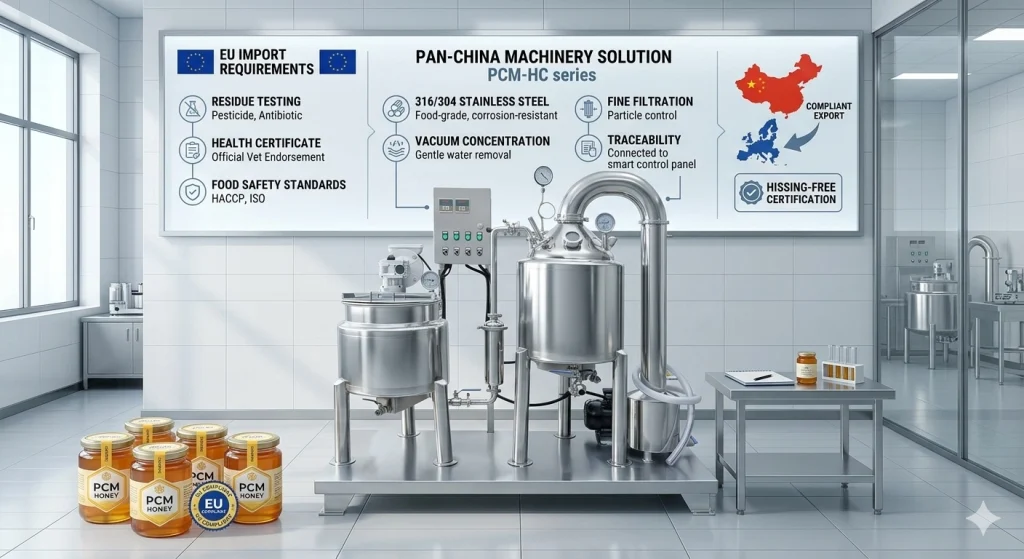
প্রতিবছর, দক্ষিণ-পূর্ব এশিয়ার শত শত টন উচ্চমানের মধু হামবুর্গ এবং অ্যান্তওয়ার্ফের মতো বন্দরে অস্বীকার করা হয়। যদি আপনি ব্রাউজ করেনReddit-এর r/Beekeeping, আপনি পুনরাবৃত্ত ট্র্যাজেডিগুলি খুঁজে পাবেন: রপ্তানিকারীরা হাজার হাজার ডলার হারাচ্ছেন কারণ তাদের চালান ল্যাবরেটরি পরীক্ষায় বিভাজন মিলিগ্রামের জন্য ব্যর্থ হয়েছে। এই গাইড ২০২৬-মানের ভори...নিম্ন তাপমাত্রায় মধু প্রক্রিয়াকরণতৈরি করুন যাতে আপনার পণ্য “গ্যারান্টিড এক্সপোর্ট-রেডি” হয়।
ইউরোপীয় ইউনিয়ন হানিকে একটি জৈবিক পণ্য হিসেবে দেখে, শুধুমাত্র একটি মিষ্টি হিসেবে নয়। এর অধীনেনির্দেশনা ২০০১/১১০/ইইসি-এর আনেক্স II, মধুতে কিছু যোগ করা বা সরানো উচিত নয়। এটি তাদের জন্য একটি সাংঘর্ষিক পরিস্থিতি তৈরি করে যারা ডিল করছেউষ্ণ অঞ্চলে মৌমাছির মধুর আর্দ্রতা হ্রাসআপনি কীভাবে “স্বাভাবিক” প্রয়োজনীয়তা লঙ্ঘন না করে মধু শুকিয়ে নেবেন?
সমাধানটি "কারখানাগত প্রক্রিয়াকরণ" এবং "মানকরণ প্রস্তুতি" এর মধ্যে পার্থক্যে নিহিত। ইউরোপীয় ইউনিয়নের শুল্ক কর্মকর্তারা মান নির্ধারণের জন্য তিনটি মূল রাসায়নিক আঙ্গুলের ছাপ ব্যবহার করেন:আর্দ্রতা, এইচএমএফ, এবং ডায়াস্টেজ।
পরকোরা, সাধারণ প্রশ্ন হলো:আমার মধু কেন ২১% আর্দ্রতার জন্য প্রত্যাখ্যাত হয়েছে?উচ্চ আর্দ্রতা পরিবেশে যেমন ডাক লেখক, মৌমাছি প্রায়শই কোষের উপরে ছিটিয়ে দেয় আগে আর্দ্রতা কমে যায়। ইন্দোনেশিয়ায়, কাঁচামধু পৌঁছাতে পারে28% আর্দ্রতাএই স্তরগুলিতে, অস্টোমফিলিক ইস্টগুলি ফুটে ওঠে, যার ফলেউচ্চ আর্দ্রতা মধুর মুক্তান্বেষণ.
চ্যালেঞ্জ:প্রচলিত তাপপ্রয়োগ অ্যাক্সিডেশনের কারণ হয়। আধুনিক শিল্প মানক হলোস্বয়ংক্রিয় মৌ।শকোনা শোষণ মেশিন, যা জল সরিয়ে ফেলে তবে মৌয়ের সূক্ষ্ম জৈব-গঠন রক্ষা করে।
ইউরো harder লাইন:আইনি সীমা হলো≤ ১৮%.
চ্যালেঞ্জ:প্রচলিত তাপপ্রয়োগ অ্যাক্সিডেশনের কারণ হয়। আধুনিক শিল্প মানক হলোস্বয়ংক্রিয় মৌ।শকোনা শোষণ মেশিন, যা জল সরিয়ে ফেলে তবে মৌয়ের সূক্ষ্ম জৈব-গঠন রক্ষা করে।
HMF হলো তাপজনিত ক্ষতির চূড়ান্ত সূচক। এটি ধীরে ধীরে বয়সের সাথে বৃদ্ধি পায়, তবে মধু বেশি গরম করলে এটি দ্রুত বেড়ে যায়। শীর্ষ ল্যাবরেটরিগুলির মতোকিউএসআই জার্মানিএবংইন্টেরটেকব্যবহার করুনমধুতে HMF স্তরনিশ্চিত করতে যে কোনও পণ্য "রান্না" করা হয়েছে কিনা।
২০২৬ এর জন্য সবচেয়ে কার্যকর টুলগুলির মধ্যে একটি হলোভ্যাকুয়াম মধু কনসেন্ট্রেটরএই প্রযুক্তিটি সেই মূলনীতির উপর ভিত্তি করে যে তরলগুলির উত্কোচন বিন্দু কমে গেলে চাপ কমে যায়।
একটি উচ্চ-শূন্য পরিবেশ (−0.092 এমপিএ) তৈরি করে, আমরা অর্জন করতে পারিউষ্ণ অঞ্চলে মৌমাছির মধুর আর্দ্রতা হ্রাসমাত্র$38^\circ\text{সি}$ থেকে $40^\circ\text{সি}$.
আমাদের০.৫ টি ট্রি মধু প্রক্রিয়াকরণ কারখানার মূল্যমডেলগুলি একটি মাল্টি-স্টেজ শেল-এবং-টিউব তাপ বিনিময়কারী ব্যবহার করে। ঐতিহ্যবাহী ব্যাচ হিটারগুলির মতো নয়, এটি একটি নিশ্চিত করে।সমতার তাপ সংক্রান্ত হারে অনুপাত, স্থানীয় গরমেরোধে বাধা দেয়। তৈরি fromএসউএস৩১৬এল স্টেইনলেস স্টীল, এই ইউনিটগুলো সর্বোচ্চ মানেরHACCP মানানসই মধু প্রক্রিয়াকরণমানদণ্ড।
ইউরোপীয় ইউনিয়নের কাস্টমস প্রায়শই পোলেন গণনাগুলি বিশ্লেষণ করে নিশ্চিত করতেউৎপত্তি যাচাইআপনার প্রক্রিয়াকরণ লাইনটিতে একটি দ্বৈত পর্যায়ের সিস্টেম থাকতে হবে:
ক্যালিব্রেটেড স্টেইনলেস স্টীল জাল ব্যবহার করে, আপনি একটি "চমৎকার স্পষ্ট" পণ্য অর্জন করেন যা প্রয়োজনীয় পরাগের স্বাক্ষরও ধারণ করে।কোডেক্স অ্যালিমেন্টারিয়াস মধু মানদণ্ড.
ইউরোপীয় ইউনিয়নের "ফার্ম টু ফর্ক" কৌশলের সাথে, ট্রেসেবিলিটি আর আরামদায়ক বিষয় নয়। আমাদের ২০২৬ মডেলগুলো এতে অন্তর্ভুক্ত রয়েছে।পিএলসি নিয়ন্ত্রণ মধু উদ্ভিদএকত্রীকরণ এবংআইওটি রিমোট ডায়াগনোসিসএই সিস্টেম স্বয়ংক্রিয়ভাবে প্রক্রিয়াকরণ তাপমাত্রা এবং ভ্যাকুয়াম স্তর লগ করে, যা সমর্থন করে।ইলেকট্রনিক ফাইটোসানিটারি সার্টিফিকেট (ePhyto)প্রয়োজনীয়তা। যখন আপনি একজন ক্রেতাকে ডিজিটাল প্রমাণ দিয়ে থাকেননিম্ন তাপমাত্রায় মধু প্রক্রিয়াকরণ, তুমি হয়ে ওঠো একজনবিজিএবি হানি সরবরাহকারীর সার্টিফিকেশননেতা।
একটি পুনরাবৃত্ত থ্রেডের উপরr/ছোটব্যবসাজিজ্ঞাসা করে about theমধু প্রক্রিয়াকরণ ব্যবসার লাভের হারচলুন একটি সমবায়ের জন্য আর্থিক বাস্তবতাকে দেখুন।০.৫টি টি – ১টি টি ভ্যাকুয়াম কনসেনট্রেশন ইউনিট.
| মেট্রিক | জন্য কাঁচা বৃহৎ মৌখ্য (স্থানীয়) | রপ্তানি প্রস্তুত মধু (ইউরোপীয় ইউনিয়ন বাজার) |
| প্রতি কেজিতে বাজার মূল্য | ২.৫০ – ৩.০০ | ৫.৫০ – ৭.০০ |
| আর্দ্রতা ধারণা | 25% – 28% | 17.5% – 18% |
| বাজারের অবস্থা | লোকাল কমোডিটি | সার্টিফাইড গ্লোবাল এক্সপোর্ট |
একটি পেশাদারের সঙ্গে প্রতি কেজির প্রক্রিয়াকরণের খরচ কম করে $0.20।০.৫ টি ট্রি মধু প্রক্রিয়াকরণ কারখানার মূল্যমডেলটি নিজেকে ৪ থেকে ৬ মাসের মধ্যে মূল্য ফেরত দেয়। আপনি কেবল একটি যন্ত্র কিনছেন না; আপনি নিরাপদ করছেনবাজার বীমা.
ইউরোপীয় বাজারে প্রবেশের বিষয়টি হলো আরও ভাল নিয়ন্ত্রণ লাভ করা। পরিবর্তন হয়ে বিভিন্ন অংশে ভাগ করে নেওয়াভ্যাকুয়াম মধু কনসেন্ট্রেটরএকটি কৌশলগত মোড় যা একটি ঝুঁকিপূর্ণ পণ্যকে একটি উচ্চমূল্যবান, মানক উপাদানে রূপান্তর করে। ২০২৬ সালে, যারা রপ্তানিকারক বিজয়ী হবে তারা হলেন যারা মধু প্রক্রিয়াকরণকে একটি বিজ্ঞান হিসেবে গ্রহণ করে এবং অনুসরণ করে।কোডেক্স অ্যালিমেন্টারিয়াস মধু মানদণ্ড.
1. কি ভ্যাকুয়াম কনসেনট্রেশনকে “প্রক্রিয়াকরণ” হিসেবে গণ্য করা হয় যা ঘোষণা করতে হবে?নিচেকোডেক্স অ্যালিমেন্টারিয়াস মধু মানদণ্ড, জল সরানোর মাধ্যমে আইনী সীমা মেটানো “মানক প্রস্তুতি”। যতক্ষণ না আপনি চিনিজ যোগ করেন, এটি অব্যাহত থাকে“100% নিখুঁত প্রাকৃতিক মধু।”
2. কীভাবে যন্ত্রপাতি কফি ব্লসম হানি রপ্তানি পরিচালনা করে?কফি হানি একটির নির্দিষ্ট চিনির প্রোফাইল রয়েছে। আমাদেরপিএলসি নিয়ন্ত্রণ মধু উদ্ভিদআপণাকে কাস্টম প্রোফাইল সংরক্ষণ করার অনুমতি দেয়, সূক্ষ্ম গন্ধের নিশ্চয়তা দেয়কফি ব্লসম হানীতখন কখনই তাপে হারিয়ে যায় না।
৩. এসইউএস৩১৬এল স্টেইনলেস স্টিলের মানের উপর কী প্রভাব পড়ে?ব্যবহার করেএসউএস৩১৬এল স্টেইনলেস স্টীলএটি সাধারণত সস্তা যন্ত্রে পাওয়া ধাতুর দূষণ প্রতিরোধ করে। এটি ağır ধাতু পরীক্ষাগুলি উত্তীর্ণ করার জন্য গুরুত্বপূর্ণ।বিজিএবি হানি সরবরাহকারীর সার্টিফিকেশনঅডিট।

ওয়াটসঅ্যাপ

ওয়েচাট
অ্যাপ্লিকেশন:+৮৬১৫৭৩৬৭৬৮১২৯
ইমেল:inquiry@panchimachinery.com
ঠিকানা: ঝেংঝো, হেনান প্রদেশ, চীন
অটোমেটিক ভ্যাকুয়াম হানি প্রসেসিং ও ফিল্টারিং মেশিন
ভ্যাকুয়াম নিম্নতাপমাত্রার তরল নিষ্কাশন ও সংকোচন ইউনিট
কাস্টম স্টিম ডিস্টিলেশন ও হিট রিফ্লাক্স প্রকৌশলী তেল সরঞ্জাম
এসএস৩০৪/৩১৬এল কম তাপমাত্রার ভ্যাকুয়াম স্ক্রেপার কনসেনট্রেটর
কিউএন গোলাকার ভ্যাকুয়াম কনসেনট্রেটর ও অ্যালকোহল পুনরুদ্ধার ইউনিট
বহুমুখী স্টেইনলেস স্টিল ভ্যাকুয়াম ডিস্টিলেশন এবং এক্সট্রাকশন ইউনিট
হট রিফ্লাক্স ভ্যাকুয়াম তরল নির্গমন ও ঘনত্বকারী ইউনিট
একক-প্রভাব বাহ্যিক পরিবেষ্টন ভ্যাকুয়াম কনসেনট্রেটর
এসজেএন সিরিজ ডাবল-অ্যাকশন বাইরের পরিবেশে চলমান ভ্যাকুয়াম বাষ্পীভবন যন্ত্র
আমরা এক কর্মদিবসের মধ্যে আপনার সাথে যোগাযোগ করব। অনুগ্রহ করে আপনার ইমেইলের দিকে নজর দিন।
অটোমেটিক ভ্যাকুয়াম হানি প্রসেসিং ও ফিল্টারিং মেশিন
ভ্যাকুয়াম নিম্নতাপমাত্রার তরল নিষ্কাশন ও সংকোচন ইউনিট
কাস্টম স্টিম ডিস্টিলেশন ও হিট রিফ্লাক্স প্রকৌশলী তেল সরঞ্জাম
হোয়াটসঅ্যাপ: +৮৬১৫৭৩৬৭৬৮১২৯
ইমেল: inquiry@panchimachinery.com
ঠিকানা:জেংঝোউ, হেনান প্রদেশ, চীন


কপিরাইট© ২০২৬ঝেংঝৌ পাঞ্চি যন্ত্রপাতি সংস্থা, লিমিটেড|গোপনীয়তা নীতি