
অন্তর্জাতিক কৃষি খাতে, আসল চ্যালেঞ্জ কেবল ফসল উৎপাদন নয়—এটি তার পুরো মূল্য ধারণ করে নেওয়া উচ্চ মূল্যসহ।ফলমূল প্রক্রিয়াজাতকরণ ROIকৃষি সমবায় এবং বৃহৎ স্কেলের খামার ব্যবস্থাপকদের জন্য, "ফসলের পর" উইন্ডো হলো যেখানে লাভের মার্জিন either নিশ্চিত করা হয় অথবা হারানো হয়। একটি উচ্চ-পারফরম্যান্সের সাথে সংযুক্ত করাফ্রুট জুসার মেশিনআপনার কার্যপ্রণালীতে এটি আর ঐচ্ছিক নয়; এটি প্রতিযোগিতামূলক থাকতে একটি যান্ত্রিক প্রয়োজন। খাদ্য ও কৃষি সংস্থা (FAO) অনুযায়ী, প্রায়20-30% ফলমূল এবং সবজিপ্রথমত, বোঝা যায় যে এই বাক্যটির অর্থ হলো: "কৃষি গেট এবং খুচরা বাজারের মধ্যে হারিয়ে যায়, মূলত নান্দনিক ত্রুটিগুলি বা তাৎক্ষণিক প্রক্রিয়াকরণ ক্ষমতার অভাবে।
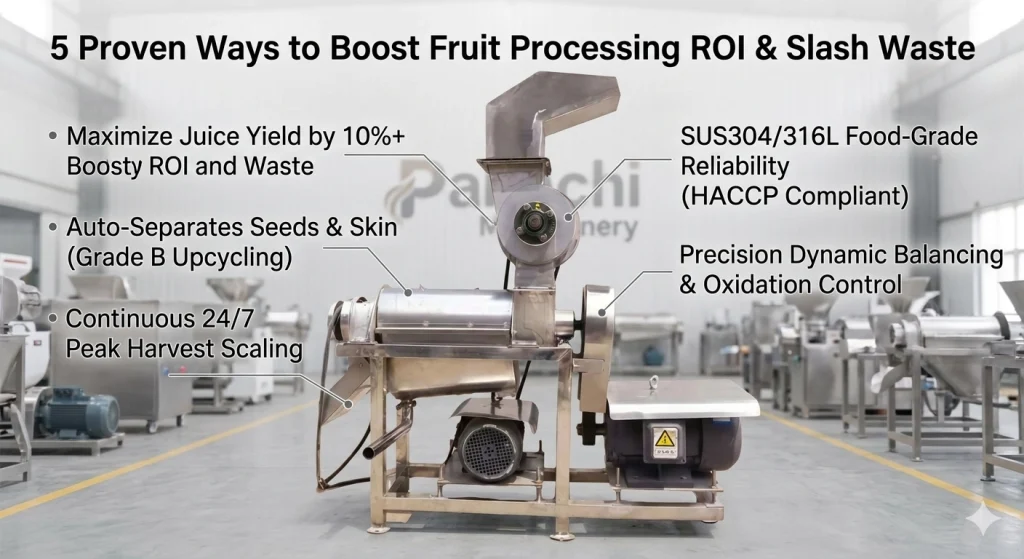
প্রতিটি সমবায় manger এর জন্য, ফসল তোলার শীর্ষ মাস দুটি ধারালো অস্ত্রের মতো। প্রচুর পরিমাণে ফসল উঠলেও, নতুন ফসলের স্থিতিশীলতার ওপর সময়ের ধাক্কা চলছে। যদি আপনি শুধুমাত্র কাঁচা ফসল বিক্রি করেন এবং পেশাগত বিনিয়োগ করেননিফ্রুট জুসার মেশিন, আপনি সম্ভবত আপনার সম্ভাব্য আয়ের ৪০% এর বেশি অংশ মাঠে রেখে যাচ্ছেন। এই গাইডটি দেখায় কিভাবে “পণ্য বিক্রেতা” থেকে “উপাদান প্রক্রিয়াকরণকারী” এ রূপান্তর করবেন উন্নত জরাই প্রযুক্তি ব্যবহার করে দীর্ঘমেয়াদী অর্থনৈতিক স্থিতিশীলতা এবং বৈশ্বিক বাজারে প্রবেশের জন্য।
যেকোন বৃহৎ স্তরের কার্যক্রমের জন্য,ফলমূল প্রক্রিয়াজাতকরণ ROIসফলতার চূড়ান্ত পরিমাপ হলো লাভজনকতা। এটি কেবল আর বেশি বিক্রি করার বিষয়ে নয়; এটি নিশ্চিত করার বিষয়ে যে প্রতিটি কিলো গ্রাম কাঁচামাল থেকে সর্বোচ্চ সম্ভব আয় হয়।
একটি সাধারণ খামারে, ফসলের একটি গুরুত্বপূর্ণ অংশকে "গ্রেড বি" বা "সি" হিসেবে বিবেচনা করা হয়—পুষ্টিগতভাবে পারফেক্ট কিন্তু দৃশ্যমানভাবে বিক্রয়ের উপযোগী নয়।
উচ্চ-কার্যকারিতা নির্যাস প্রযুক্তি একীভূত করে, সমবায়গুলি একটি৩০০% মূল্য বৃদ্ধির জন্যযা অন্যথায় বোঝা হবে আবর্জনা। এই রূপান্তরটি ফার্মগুলোকে অস্থির "তাজা বাজার" মূল্যের বাঁধা অতিক্রম করে স্থিতিশীল শিল্প উপাদান সরবরাহ শৃঙ্খলে প্রবেশের অনুমতি দেয়FOB প্রতিযোগিতামূলক মূল্য निर्धারণ.
যখন আমরা বিশ্লেষণ করিফলমূল প্রক্রিয়াজাতকরণ ROIআমরা মূলত একি বিষয়ে কথা বলছিঅপসারণের অনুপাত. একটি সাধারণ আলোচনা প্ল্যাটফর্মের মতোকোরাএবংRedditহ্যাঁ“আমার প্রক্রিয়াকরণ খরচ কেন আমার প্রতিযোগীদের তুলনায় বেশি?”
উত্তর সাধারণত বর্জ্যের অবশিষ্ট আর্দ্রতায় নিহিত থাকে।
| বৈশিষ্ট্য | স্ট্যান্ডার্ড পাল্পার | উচ্চ-কার্যক্ষমতা DJ1 সিস্টেম |
| এক্সট্রাকশন উৎপাদন률 | 65% – 75% | 85% – 92% |
| পোমাসের টেক্সচার | আর্দ্র/ছিটছে (বর্জ্য) | শুকনো/স্নেহের (উৎপাদন পার্শ্বপ্রতিক্রিয়া) |
| প্রক্রিয়াকরণ গতি | পরিবর্তনশীল/অস্থিতিশীল | স্থায়ী ১৪০০ আরপিএম |
| ROI সময়সীমা | ৩-৪ ঋতু | ১-২ ফসল কাটার মৌসুম |
সর্বশেষ কথা:৫০০ টনের ফসলের ফলনে, ৭৫% ফলনের থেকে ৮৫% ফলনে পরিবর্তন সৃষ্টি করে৫০ অতিরিক্ত টনপ্রোডাক্টের সঙ্গেশূন্য অতিরিক্ত কাঁচামালের খরচএকটি প্রতিযোগিতামূলক B2B মার্কেটে, এই ১০% দক্ষতা বৃদ্ধিই হল সংগ্রামরত সহযোগিতা এবং বাজারের নেতৃত্বের মধ্যে পার্থক্য।
শিল্পী খাদ্য প্রক্রিয়াজাতকরণে, প্রকৌশল শুদ্ধতা শুধুমাত্র “একটি যন্ত্র তৈরি করা” ঐ নয়—এটা হল আপনার রস এবং পিউরি কে তিনটি চুপচাপ লাভের ক্ষতিকারী থেকে রক্ষা করার বিষয়ে:কম্পন, অক্সিডেশন, এবং ধাতুদূষণ।
একটি উচ্চ-পারফরমেন্সফ্রুট জুসার মেশিনউচ্চ ফলনের জন্য সাধারণত ১৪০০ আরপিএম বা তার বেশি স্পিডে কাজ করতে হয়। তবে, এই স্পিডে যেকোনো ছোটখাটো কাঠামোগত ভারসাম্যহীনতা বিপর্যয়কর ব্যর্থতার কারণ হয়ে দাঁড়াতে পারে।
একটি সবচেয়ে বড় বাধা হলোফলমূল প্রক্রিয়াজাতকরণ ROIপ্রোডাক্টের “তাজা তোলা” চেহারা বজায় রাখা হচ্ছে। যখন ফলের মাছি অতিরিক্ত হাওয়ায় exposed হয়, তখন এটি অক্সিডাইজেড হয়—আপনার উজ্জ্বল আপেল বা আঠের পিউরে অপ্রিয় বাদামী রঙে রূপান্তরিত হয়।
সঠিক ধাতুর নির্বাচন এমন একটি সিদ্ধান্ত যা পরবর্তী দশকের জন্য আপনার আয়ের উপর প্রভাব ফেলবে।
একটি উচ্চফলমূল প্রক্রিয়াজাতকরণ ROIনির্ভর করে যন্ত্র ও উপাদান প্রস্তুতির মধ্যে সহযোগিতার উপর।
ROI-র জন্য সবচেয়ে বড় ঝুঁকি হলোসিজনাল বোতলনেক।অধিকাংশ খামার তাদের পরিমাণের ৮০% উৎপাদন করে ছোট ৪-সপ্তাহের সময়সীমায়। উচ্চ ক্ষমতার সিস্টেমগুলি ফসলের নষ্ট হওয়ার বিরুদ্ধে বীমা হিসেবে কাজ করে। প্রক্রিয়াকরণ প্রক্রিয়া স্বয়ংক্রিয় করে, আপনি ম্যানুয়াল সোর্টিংয়ের প্রয়োজন কমান—যার খরচ সাধারণত ঐতিহ্যবাহী প্রক্রিয়াকরণের খরচের ৪০%।
একজন খামার ব্যবস্থাকারীর জন্য সবচেয়ে ভীতিকর পরিস্থিতি হলো ফসল কাটার সময় মেশিনের Breakdown। আমাদের শিল্প পুল্পারগুলো ২৪/৭ ভারী দায়িত্বের অপারেশনের জন্য নির্মিত এবং বৈশিষ্ট্যসমূহ:
গতি টর্ক নিয়ন্ত্রণএটি নিশ্চিত করে যে শক্ত কাঠামোযুক্ত ফলমূল যেমন সেলারি বা আমের প্রক্রিয়াজাতকরণের সময়েও নিরবচ্ছিন্ন পারফরম্যান্স বজায় থাকে।
তত্পর-ওপেন ডিজাইন:সম্পূর্ণ পরিষ্কারকরণের জন্য অনুমতি দেয়HACCP মান্যতা১৫ মিনিটের মধ্যে।
উচ্চ-ফলন প্রক্রিয়াকরণ প্রযুক্তিতে বিনিয়োগ করা হলো কৃষিভিত্তিক সমবায়গুলির জন্য তাদের আয় স্থিতিশীল করার সবচেয়ে কার্যকর উপায়, বিশেষ করে অস্থির তাজা বাজারের দরের বিরুদ্ধে। আপনার অনুকূলীকরণ করছেনফলমূল প্রক্রিয়াজাতকরণ ROIবিশেষায়িত যন্ত্রপাতি দ্বারা নিশ্চিত করা হয় যে আপনার খামার দীর্ঘ সময়ের জন্য লাভজনক এবং টেকসই থাকে। কাঁচা ফলনকে শিল্পসম্পদে রূপান্তর করে, আপনি মূল্য চেইনের নিচ থেকেঅপরে ওঠেন।
প্রশ্ন ১: আমি কিভাবে নিশ্চিত করব যে বীজগুলো চাপা পড়ে না, যা রসের স্বাদে প্রভাব ফেলে?আমাদের যন্ত্রপাতি "স্ক্রেপিং" মূলনীতি ব্যবহার করে। অভ্যন্তরীণ স্ক্রেপাররা ফলকে ছাঁকনির সাথে চাপ দেয়, নরম আঁশটি প্রবাহিত করতে বাধ্য করে এবং শক্ত বীজ ও খোসাগুলো ধীরে ধীরে নিষ্কাশনের দিকের দিকে ঘুরে যায়। এটি বীজের ভেঙে যাওয়া থেকে ও তিক্ত ট্যানিনের মুক্তি রোধ করে।
প্রশ্ন ২: একটি সাধারণ সমবায়ের জন্য ROI এর সময়সীমা কী?অধিকাংশ সমবায় সংগঠন মনে করে যে যন্ত্রপাতি নিজের খরচ তুলতে পারে withinএক থেকে দুটি ফসলের মৌসুমএটি গুরুত্বপূর্ণ শ্রম সাশ্রয়, বর্জ্য হ্রাস, এবং কম দামের পদ্ধতির তুলনায় উল্লেখযোগ্যভাবে বেশি উত্তোলন ফলন (প্রায় ৯২%) এর মাধ্যমে অর্জিত হয়।
প্রশ্ন ৩: এই গুলো কি একটি বিদ্যমান উৎপাদন লাইনে একীকরণ করা যেতে পারে?হ্যাঁ। আধুনিক পাল্পারগুলি কমপ্যাক্ট আকারে ডিজাইন করা হয়েছে। আমরা কাস্টম প্রযুক্তিগত অঙ্কন এবং বিন্যাস পরামর্শ প্রদান করি যাতে সরঞ্জামগুলি আপনার ক্রাশার এবং পাস্তুরাইজেশন ট্যাঙ্কের মধ্যে এমনভাবে মিশে যায় যে পুরোপুরি সংহত হয়।HACCP মান্যতা.

ওয়াটসঅ্যাপ

ওয়েচাট
অ্যাপ্লিকেশন:+৮৬১৫৭৩৬৭৬৮১২৯
ইমেল:inquiry@panchimachinery.com
ঠিকানা: ঝেংঝো, হেনান প্রদেশ, চীন
অটোমেটিক ভ্যাকুয়াম হানি প্রসেসিং ও ফিল্টারিং মেশিন
ভ্যাকুয়াম নিম্নতাপমাত্রার তরল নিষ্কাশন ও সংকোচন ইউনিট
কাস্টম স্টিম ডিস্টিলেশন ও হিট রিফ্লাক্স প্রকৌশলী তেল সরঞ্জাম
এসএস৩০৪/৩১৬এল কম তাপমাত্রার ভ্যাকুয়াম স্ক্রেপার কনসেনট্রেটর
কিউএন গোলাকার ভ্যাকুয়াম কনসেনট্রেটর ও অ্যালকোহল পুনরুদ্ধার ইউনিট
বহুমুখী স্টেইনলেস স্টিল ভ্যাকুয়াম ডিস্টিলেশন এবং এক্সট্রাকশন ইউনিট
হট রিফ্লাক্স ভ্যাকুয়াম তরল নির্গমন ও ঘনত্বকারী ইউনিট
একক-প্রভাব বাহ্যিক পরিবেষ্টন ভ্যাকুয়াম কনসেনট্রেটর
এসজেএন সিরিজ ডাবল-অ্যাকশন বাইরের পরিবেশে চলমান ভ্যাকুয়াম বাষ্পীভবন যন্ত্র
আমরা এক কর্মদিবসের মধ্যে আপনার সাথে যোগাযোগ করব। অনুগ্রহ করে আপনার ইমেইলের দিকে নজর দিন।
অটোমেটিক ভ্যাকুয়াম হানি প্রসেসিং ও ফিল্টারিং মেশিন
ভ্যাকুয়াম নিম্নতাপমাত্রার তরল নিষ্কাশন ও সংকোচন ইউনিট
কাস্টম স্টিম ডিস্টিলেশন ও হিট রিফ্লাক্স প্রকৌশলী তেল সরঞ্জাম
হোয়াটসঅ্যাপ: +৮৬১৫৭৩৬৭৬৮১২৯
ইমেল: inquiry@panchimachinery.com
ঠিকানা:জেংঝোউ, হেনান প্রদেশ, চীন


কপিরাইট© ২০২৬ঝেংঝৌ পাঞ্চি যন্ত্রপাতি সংস্থা, লিমিটেড|গোপনীয়তা নীতি