
वैश्विक कृषि क्षेत्र में, असली चुनौती केवल फसल उगाने की नहीं है—बल्कि उसकी पूर्ण कीमत को उच्च मूल्यांकन के माध्यम से प्राप्त करने की है।फ्रूट प्रोसेसिंग निवेश पर लाभकृषि सहकारी संस्थाओं और बड़े पैमाने पर फ़ार्म प्रबंधकों के लिए, "कटाई के पश्चात" का समय वह समय है जब लाभ मार्जिन या तो स्थिर हो जाते हैं या खो देते हैं। एक उच्च प्रदर्शन को शामिल कर...फ्रूट जूसर मशीनआपके कार्यप्रवाह में इसे शामिल करना अब विकल्प नहीं है; यह प्रतिस्पर्धी रहने के लिए एक यांत्रिक आवश्यकता है। खाद्य और कृषि संगठन (FAO) के अनुसार, लगभगफल और सब्जियों का 20-30%खुशबू दोषों या त्वरित प्रसंस्करण क्षमताओं की कमी के कारण मुख्य रूप से खेत के गेट और खुदरा बाजार के बीच खो जाते हैं।
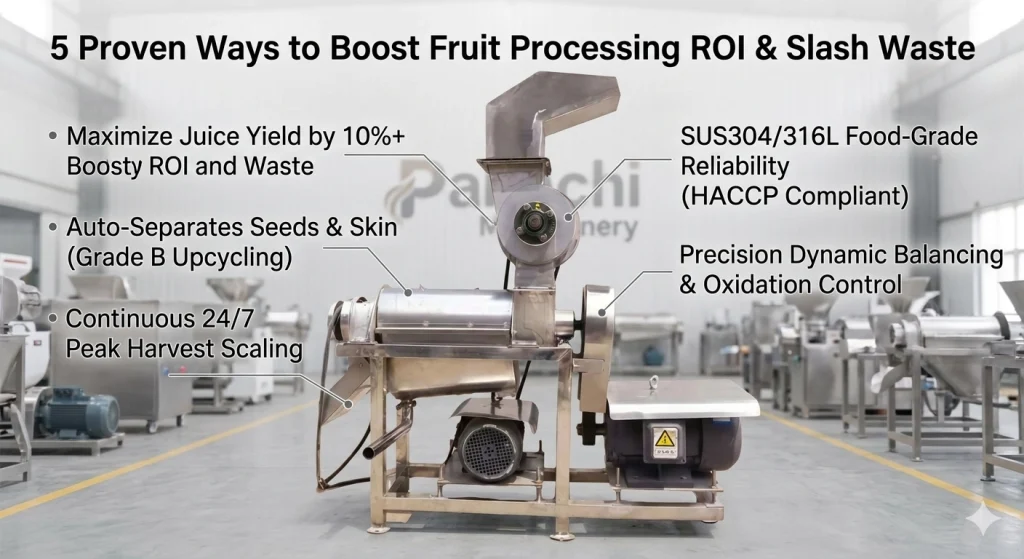
प्रत्येक सहकारी प्रबंधक के लिए, सर्वाधिक फसल कटाई का महीना दोधारी तलवार है। जबकि मात्रा अधिक होती है, ताजा उत्पाद की स्थिरता पर समय कम हो रहा है। यदि आप केवल कच्ची फसलें बेच रहे हैं और प्रोफेशनल में निवेश नहीं किया है।फ्रूट जूसर मशीन, आप संभवतः अपनी संभावित आय का 40% से अधिक भाग क्षेत्र में छोड़ रहे हैं। यह मार्गदर्शन बताता है कि कैसे “पदार्थ विक्रेताओं” से “सामग्री प्रसंस्कर्ताओं” में संक्रमण किया जाए, उन्नत निष्कर्षण तकनीक का उपयोग करके दीर्घकालिक वित्तीय स्थिरता और अन्तरराष्ट्रीय बाजार पहुंच सुनिश्चित की जाए।
किसी भी बड़े पैमाने पर संचालन के लिए,फ्रूट प्रोसेसिंग निवेश पर लाभसफलता का अंतिम मानक है। यह केवल अधिक बिक्री करने के बारे में नहीं है; यह सुनिश्चित करने के बारे में है कि प्रत्येक किलो कच्चे माल से अधिकतम संभव आय प्राप्त हो।
एक सामान्य खेत में, फसल का एक महत्वपूर्ण हिस्सा "ग्रेड बी" या "सी" के रूप में वर्गीकृत किया जाता है—पोष्ण रूप से परिपूर्ण लेकिन दिखावे में खुदरा के लिए उपयुक्त नहीं।
उच्च-प्रदर्शन निक्षेपण प्रौद्योगिकी को एकीकृत करके, सहकारी समितियां एक प्राप्त कर सकती हैं300% मूल्य वृद्धिजो उत्पाद अन्यथा कूड़ा माना जाएगा उसकी उत्पादन पर। इस परिवर्तन से खेतों को अस्थिर "ताजा बाजार" मूल्य निर्धारण से बचने और स्थिर औद्योगिक सामग्री आपूर्ति श्रृंखला में प्रवेश करने की अनुमति मिलती है।एफओबी प्रतिस्पर्धात्मक कीमतें.
जब हम विश्लेषण करते हैंफ्रूट प्रोसेसिंग निवेश पर लाभहम मूल रूप से इसके बारे में बात कर रहे हैंएक्सट्रैक्शन रेशियोमंचों पर अक्सर होने वाली चर्चा जैसेक्वोराऔररेडिटहै:मेरी प्रोसेसिंग लागत मेरे प्रतिस्पर्धियों की तुलना में अधिक क्यों है?
उत्तर आमतौर पर कचरे के अवशिष्ट आर्द्रता में छुपा होता है।
| विशेषता | मानक पलपर | उच्च-प्रभावशीलता DJ1 प्रणाली |
| निष्कर्षण प्राप्ति | 65% – 75% | 85% – 92% |
| पोमेस बनावट | गीला/टपकता (अपशिष्ट) | सूखा/रेशेदार (उपयुक्त उत्पाद) |
| प्रसंस्करण गति | चर/अस्थिर | स्थिर 1400 आरपीएम |
| आरओआई समयरेखा | 3-4 मौसम | 1-2 कटाई ऋतुएँ |
अंतिम निष्कर्ष:500 टन की फसल पर, 75% उत्पादन से 85% उत्पादन पर जाने से उत्पन्न होता है50 अतिरिक्त टनउत्पाद के साथशून्य अतिरिक्त कच्चे माल की लागतप्रतिस्पर्धात्मक B2B बाजार में, यह 10% दक्षता वृध्दि एक संघर्षरत सहकारी और एक बाजार नेता के बीच का अंतर है।
औद्योगिक खाद्य प्रसंस्करण में, इंजीनियरिंग सटीकता सिर्फ "मशीन बनाने" के बारे में नहीं है—यह आपके जूस और प्यूरी को तीन मौन लाभ हानि कारकों से सुरक्षित रखने के बारे में है:कंपन, ऑक्सीकरण, और धातु प्रदूषण।
एक उच्च-प्रदर्शनफ्रूट जूसर मशीनउच्च उत्पादकता प्राप्त करने के लिए इसे उच्च गति (आमतौर पर 1400 आरपीएम) पर संचालित करना आवश्यक है। हालांकि, इन गति पर, किसी भी लघु संरचनात्मक असमानता से हीषण विफलता हो सकती है।
गतिविधियों में से एक सबसे बड़ी बाधा हैफ्रूट प्रोसेसिंग निवेश पर लाभउत्पाद की "ताजा चयनित" दिखावट बनाए रखना यह है। जब फलों का गूदा अत्यधिक हवा के संपर्क में आता है, तो यह ऑक्सीकरण कर जाता है—जिससे आपका चमकीला सेब या आड़ू का प्यूरी असामान्य रूप से भूरा हो जाता है।
सही धातु का चयन करना एक ऐसा फैसला है जो अगले दशक के लिए आपके निचले स्तर को प्रभावित करता है।
एक ऊँचाफ्रूट प्रोसेसिंग निवेश पर लाभयह मशीन और सामग्री तैयार करने के बीच संयुक्त प्रयास पर निर्भर करता है।
ROI के लिए सबसे बड़ा जोखिम हैमौसमी बाधाअधिकांश खेत अपनी मात्रा का 80% केवल 4 सप्ताह के छोटे से समय में उत्पादन करते हैं। उच्च क्षमता वाले सिस्टम फसल खराब होने से बचाने का बीमा का कार्य करते हैं। निष्कर्षण प्रक्रिया को स्वचालित बनाकर, आप मैनुअल छंटाई की आवश्यकता को कम कर देते हैं—जो पारंपरिक प्रसंस्करण खर्चों का सामान्यतः 40% हिस्सा होता है।
कृषि प्रबंधक के लिए सबसे डरावना स्थिति फसल कटाई के चरम समय में मशीन का Breakdown होना है। हमारे औद्योगिक पल्पर 24/7 भारी कार्य के लिए बनाए गए हैं और इसमें विशेषताएँ शामिल हैं:
डायनामिक टॉर्क नियंत्रणयह सुनिश्चित करता है कि जब अभ्रक या आम जैसे उच्च रेशेदार उत्पादों को संसाधित किया जाता है, तब भी प्रदर्शन स्थिर रहता है।
त्वरित-खोल डिजाइनपूर्ण स्वच्छता के लिए अनुमति देता है (HACCP अनुपालन15 मिनट से भी कम समय में।
उच्च उपज प्रक्रिया प्रौद्योगिकी में निवेश करना कृषि सहकारी संस्थाओं के लिए अपने आय को अस्थिर ताजा बाजार मूल्यों के खिलाफ स्थिर करने का सबसे प्रभावशाली तरीका है। अपने अनुकूलन करनाफ्रूट प्रोसेसिंग निवेश पर लाभविशेषज्ञ उपकरणों के माध्यम से यह सुनिश्चित करता है कि आपका खेत वर्षों तक लाभकारी और स्थायी बना रहे। कच्ची फसल को औद्योगिक संपत्तियों में परिवर्तित करके, आप मूल्य श्रृंखला के निचले स्तर से ऊपरी स्तर की ओर कदम बढ़ाते हैं।
प्रश्न 1: मैं कैसे सुनिश्चित कर सकता हूँ कि बीज कुचलें नहीं जाएं, जो रस के स्वाद को प्रभावित करते हैं?हमारा उपकरण "स्क्रैपिंग" सिद्धांत का उपयोग करता है। आंतरिक स्क्रैपर फलों को किसी छलनी के against दबाते हैं, जिससे नरम गूदा छनकर बाहर निकलता है जबकि कठोर बीज और त्वचा को धीरे-धीरे डिस्चार्ज पोर्ट की ओर घुमाते हैं। इससे बीज टूटने और कड़वे टेनिन के मुक्त होने से रोका जाता है।
प्रश्न 2: एक सामान्य सहकारी संस्था का आरओआई टाइमलाइन क्या है?अधिकांश सहकारी संस्थाएँ पाती हैं कि उपकरण अपने आप में ही आर्थिक रूप से लाभकारी हो जाता है।एक से दो फसल मौसमयह महत्वपूर्ण श्रम बचत, अपव्यय कमी, और कम-अंत विधियों की तुलना में उल्लेखनीय रूप से उच्च निष्कर्षण यields (92% तक) के माध्यम से प्राप्त किया गया है।
प्रश्न 3: क्या इन मशीनों को किसी मौजूदा उत्पादन लाइन में जोड़ा जा सकता है?हाँ। आधुनिक पल्पर्स को कॉम्पैक्ट डिज़ाइन के साथ बनाया गया है। हम अनुकूलन तकनीकी चित्रण और विन्यास परामर्श प्रदान करते हैं ताकि उपकरण आपके क्रशर और पाश्चराइज़ेशन टैंकों के बीच सहजता से इंटीग्रेट हो सके और पूरी तरह से कार्यक्षम रहे।HACCP अनुपालन.

व्हाट्सएप

वीचैट
व्हाट्सएप्प:+8615736768129
ईमेल:inquiry@panchimachinery.com
पता: झेंग्झौ, हेनान प्रांत, चीन
स्वचालित वैक्यूम शहद प्रसंस्करण और छानने की मशीन
वैक्यूम निम्न-तापमान द्रव्य निष्कर्षण और सांद्रण इकाई
कस्टम स्टीम डिस्टिलेशन और हीट रिफ्लक्स आवश्यक तेल उपकरण
एसएस 304/316एल कम तापमान वेल्वुम स्क्रैपर कंसन्ट्रेटर
QN वृत्तीय निर्वात संग्राहक एवं शराब पुनःप्राप्ति इकाई
मल्टी-फंक्शन स्टेनलेस स्टील वैक्यूम डिस्टिलेशन एवं एक्सट्रैक्शन यूनिट
गर्म रिफ्लक्स वाक्यूम लिक्विड एक्सट्रैक्शन और कंसंट्रेशन यूनिट
हम आपसे एक कार्यदिवस के भीतर संपर्क करेंगे। कृपया अपने ईमेल पर ध्यान दें।
स्वचालित वैक्यूम शहद प्रसंस्करण और छानने की मशीन
WhatsApp: +8615736768129
ईमेल: inquiry@panchimachinery.com
पता:झेंग्झौ, हुनान प्रांत, चीन


कॉपीराइट© 2026झेंगझोउ पंची मशीनरी उपकरण有限公司|गोपनीयता नीति