
Международный рынок высокочистых растительных веществ переживает масштабные изменения. В сфере премиальных продуктов питания, корпоративных ароматерапевтических портфолио и глобальной фармацевтики трансграничные покупатели — такие как руководители цепочек поставок и главные химики — больше не принимают стандартные, мутные или поврежденные нагревом экстракты. Они требуют прозрачных, стабилизированных по фракциям и высокоэффективных масел, обладающих полной стабильностью партии в течение месяцев морской перевозки.
Однако обработка необработанных ботанических матриц, таких как Кориандр сычуаньский, черный перец, гвоздика, мускатный орех и фенхель представляет собой серьезный кризис при извлечении. В отличие от обработки простых листьев, таких как мята или розмарин, эти сырьевые материалы содержат сложную двойную матрицу, состоящую из летучих эссенциальных масел и неиспаряющихся твердых липидов (носителей жиров, тяжелых смол и растительных восков).
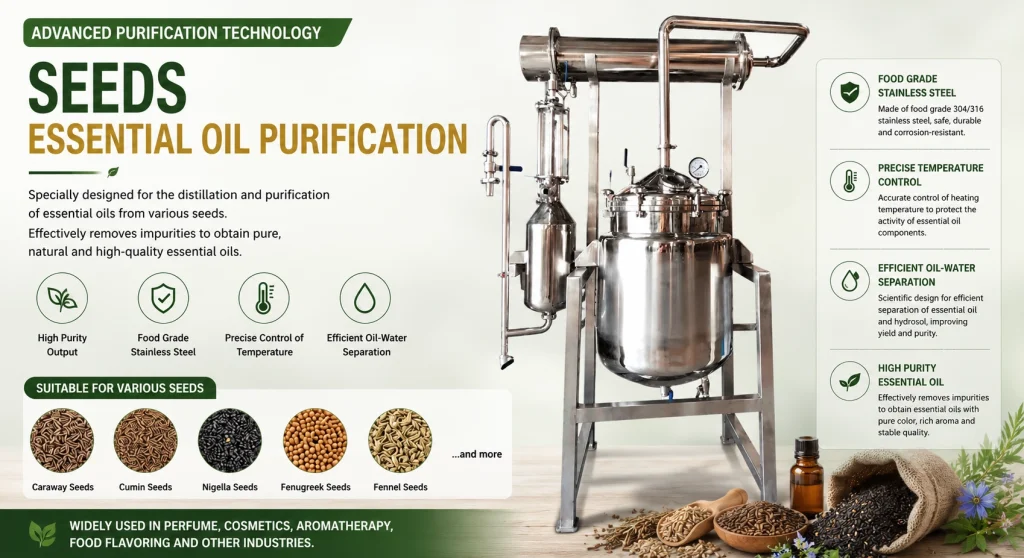
При нагревании по традиционной паровой или растворительной дистилляции эти две фракции образуют ко-дистилляционные связи, близкоазеотропные смеси и плотные эмульсии. В результате получается темный, вязкий конечный продукт, содержащий тяжелые липиды, не соответствующие стандартам чистоты по GC-MS, а также обладающий премиальными ароматическими характеристиками.
Чтобы решить эту проблему, современные перерабатывающие предприятия должны выйти за пределы примитивной добычи и перейти к целенаправленной обработке. Семена эфирное масло Очистка, продвинутый Эфирное масло специй очистка, и цепь закрытой термодинамики с помощью коммерческой Система фракционной дистилляции травяных и пряных масел.
(Insights synthesized from operator forums across Reddit’s r/chemicalengineering, Quora extraction threads, и YouTube industrial teardowns)
When evaluating why automated processing plants struggle with seed и spice biomass, several recurring real-world failures stand out across industry forums и “People Also Ask” search queues:
Химики на Reddit часто отмечают, что неполярные растворители или пар при высокой температуре вытягивают тяжелые липиды и воск наряду с более легкими фракциями терпенов. Как только эти жиры достигают точки кипения, они вызывают механическое захватывание, поднимая мелкие капли тяжелых носителей жиров в чистый паровой поток. Это создает мелкую эмульсию, что делает простую последующую фильтрацию чрезвычайно сложной. Именно на этом этапе возникает узкое место, где стандартная обработка терпит неудачу, что подчеркивает острую необходимость в промышленном качестве Система фракционной дистилляции травяных и пряных масел обрабатывать разделение на термодинамическом уровне.
YouTubers detailing large-scale botanical processing often showcase how overheating biomass ruins the profile. High-value compounds like eugenol in cloves or piperine derivatives in black pepper lose their fresh top notes и develop a “burnt” or “cooked” off-flavor when exposed to prolonged temperatures above 100 degrees Celsius at atmospheric pressure. This problem cannot be solved by simple boiling; it requires a specialized machine to execute low-temperature Эфирное масло специй очистка.
Специи и семена содержат реактивные органические кислоты и активные фенолы. При обработке в стандартных нержавеющих стальных аппаратах 304 или медных аппаратах низкого качества металлические поверхности со временем подвергаются микрокоррозии. Это приводит к вытеканию следовых тяжелых металлов в конечный дистиллят, что мгновенно вызывает отклонения при проверках соответствия со стороны аудиторов ЕС и FDA. Любое предприятие, стремящееся к масштабированию, должно убедиться, что его Семена эфирное масло Очистка оборудование использует передовые металлогические основы для обеспечения соответствия глобальным стандартам чистоты.
Для плотных сельскохозяйственных продуктов, таких как мускатный орех или семена фенхеля, достижение успешных результатов Семена эфирное масло Очистка требует стратегического технического рабочего процесса. Масло часто физически заперто внутри твердых клеточных стенок оболочки семени.
Сырые семена должны быть грубо измельчены или подвергнуты быстрым циклам замораживания и оттаивания, чтобы раскрыть скорлупу. Мельчение семян в высокоскоростной мельнице до состояния мелкого порошка вызывает избыточное трение, которое испаряет нежные легкие терпеновые соединения до того, как они попадут в камеру экстракции. Верно Семена эфирное масло Очистка опирается на сохранение биомассы достаточно целой, чтобы предотвратить преждевременную потерю летучих веществ, при этом подвергая внутренние масляные клетки тепловому градиенту.
Во время цикла очистки система должна использовать точные параметры вакуума для удаления летучих ароматических соединений от тяжелых неподвижных масел (например, плотных триглицеридов мускатного ореха). Понижая внутреннее давление системы, вы можете снизить температуру кипения летучих масел, позволяя им превратиться в пар и покинуть систему до того, как тяжелые липиды расплавятся и совместно перегонятся. Именно поэтому стандартные котлы не справляются, тогда как специализированные Семена эфирное масло Очистка протокол успешен.
Более того, выполнение Семена эфирное масло Очистка под масштабом подразумевается контроль скорости пара-жидкостной смеси внутри колонны. Если пар поднимается слишком быстро, это вызывает механическую захваченность, поднимая крошечные капельки тяжелых носителей жира в чистый сборный бак дистиллята. Поддержание медленного, равномерного, под вакуумом кипения — это золотое правило для овладения этим процессом. Семена эфирное масло Очистка не жертвуя пропускной способностью.
При работе с материалами, такими как сычуаньский перец или черный перец, цель заключается в Эфирное масло специй очистка цель — отделить чистые активные органолептические соединения, отвергая невзрывоопасные, горькие смолы и тяжелые пигменты.
Чтобы достичь этого в промышленном масштабе, система обработки должна поддерживать крайне стабильное вакуумное состояние. Например, поддержание стабильного отрицательного давления около -0,085 МПа значительно меняет поведение кипения молекул. При этих условиях глубокого вакуума разрыва между относительной летучестью легкой летучей фракции и тяжелых пряных смол значительно расширяется, что позволяет без препятствий Эфирное масло специй очистка.
Легкие ароматические фракции плавно переходят в газовую фазу при более низких температурах (обычно от 40 до 55 градусов Цельсия). Это позволяет им подниматься вверх по колонне, оставляя темные, фототоксичные или горькие тяжелые остатки безопасно внизу системы, достигая идеального Эфирное масло специй очистка.
Без этого порога глубокого вакуума попытки Эфирное масло специй очистка на посевах специй высокой чистоты практически невозможно, поскольку тепловая энергия, необходимая для испарения соединений при атмосферном давлении, разрушает хрупкие летучие мոնтерпены.
Промышленные предприятия, которые не осознают это различие, часто производят низкокачественные, мутноватого цвета пряные экстракты, не соответствующие международным стандартам качества. Внедрение автоматизированного, основанного на сенсорах подхода к Эфирное масло специй очистка гарантирует, что верхние ноты запечатлены, цвет остается водянистым или бледно-янтарным, а химический состав соответствует высококачественному коммерческому экстракту.
Когда стандартные установки для экстракции не справляются с разделением соподнимающихся растительных фракций, применяется высоковакуумная многоступенчатая система. Система фракционной дистилляции травяных и пряных масел становится absolutely необходимым. Вместо того чтобы рассматривать пар как единую массу, эта специализированная система использует внутреннюю ректификационную колонну для установления нескольких стадий равновесия.
Поскольку сложный парообразный поток поднимается через колонну, Система фракционной дистилляции травяных и пряных масел, high-boiling waxes и unwanted lipids lose kinetic energy early, condense on the inner column walls, и safely reflux back down into the residue vessel. This provides an automated “winterization” effect right inside the system, saving thousands of dollars in external solvent costs и processing steps.
Критическая особенность нашей специализированной Система фракционной дистилляции травяных и пряных масел является минимизация внутреннего перепада давления в колонне. Используя оптимизированную структурированную загрузку вместо традиционных тарелок, система обеспечивает свободное прохождение пара с минимальным сопротивлением. Это предотвращает скачки давления в основании колонны, гарантируя, что ваши деликатные Эфирное масло специй очистка профиль никогда не страдает от локализованных горячих точек.
Промышленные операторы нуждаются в полном обозрении процесса. Использование высококачественных элементов из боросиликатного стекла внутри... Система фракционной дистилляции травяных и пряных масел позволяет инженерам по растениям визуально отслеживать линию конденсации и мениск жидкости в режиме реального времени. Такой точный контроль за разделением фракций может увеличить коэффициент восстановления премиальных масел до 15%.
Путем регулировки коэффициента теплового рефлюкса внутри Система фракционной дистилляции травяных и пряных маселИнженеры могут выбрать расширение или сужение порога фракции. Эта гибкость обеспечивает адаптацию машины к работе как с высоковзрывоопасным травяным маслом, так и с плотным, богатым липидами семенным экстрактом, чтобы достичь максимальной химической чистоты.
Чтобы помочь инженерным командам и директорам по закупкам оценить обновления оборудования, ниже приведена таблица, которая демонстрирует различия в характеристиках для этих распространенных конфигураций:
| Технический и эксплуатационный параметр | Примитивные атмосферные дистилляторы | Стандартные молекулярные / короткополосные дистилляторы | Система фракционной дистилляции с высоким вакуумом Panchi |
| Летучие и неподвижные липиды: разделение | Плохо; тяжелые воски часто загрязняют конечный дистиллят масла. | Умеренный; эффективен для простого разделения, но демонстрирует затруднения при близких точках кипения. | Отлично; многоступенчатый внутренний рециркуляционный нагрев достигает полного удаления воскованных веществ. |
| Риск разрушения аромата | Высокая температура; продолжительное нагревание при 100°C разрушает свежие верхние ноты. | Низкий; короткое время пребывания помогает, но отсутствуют стадии фракционирования. | Нулевой тепловой удар; глубокий вакуум поддерживает температуру кипения ниже 55°C. |
| Масштабируемость процессов и автоматизация | Низкий; требует постоянного ручного отсеивания и трудоемкого обращения. | Умеренный; размеры партии ограничены площади испарителя. | Высокий; непрерывный отброс колонны позволяет автоматические и повторяемые фракционные отборы. |
| Материальная стойкость и чистота | Базовая нержавеющая сталь 304; подвержена коррозии от активных растительных фенолов. | Стеклянный, хрупкий для прочных, больших по объему промышленных цехов. | 316L низ carbono стал и тяжелый боросиликат; отсутствие высвобождения металлов. |
Чтобы поддерживать абсолютную прибыльность на производственной площадке, предприятие по переработке не может позволить себе длительные простои или ручные вмешательства по партиям. Именно здесь важно объединять ваши Семена эфирное масло Очистка шаги с автоматизированным Система фракционной дистилляции травяных и пряных масел создает немедленное конкурентное преимущество.
Традиционные методы зимней обработки замедляют производство, вынуждая операторов ждать до 48 часов, пока жиры в установке не кристаллизуются в массивных охлаждающих резервуарах. В то время как, непрерывная схема рециркуляции осуществляет это разделение в режиме реального времени.
Когда пар свежего пряности поступает в систему, температурный градиент обеспечивает непрерывность. Эфирное масло специй очисткаТяжёлые жиры попадают в холодную зону упакованной колонны, жидкостенеют и стекают через нижний сливной клапан, не останавливая цикл первичной дистилляции. Это означает, что ваше предприятие может работать круглосуточно беспрерывными сменами, максимально увеличивая суточную пропускную способность биомассы.
Автоматический контроль глубины вакуума служит абсолютным центром нервной системы операций системы. Потому что передовая Система фракционной дистилляции травяных и пряных масел Интегрирует массив высокоточных сенсоров, машина автоматически микрорегулирует выход теплового источника при возникновении незначительных колебаний давления — вызванных мгновенной паровой конденсацией остаточной влаги внутри колонны. Эта самонастраивающаяся цепь успешно обеспечивает бесперебойную работу. Семена эфирное масло Очистка бороться с человеческими операционными ошибками.
Для предприятий по извлечению, стремящихся экспортировать высокоочищенные растения в рынки Северной Америки, Европы или Азиатско-Тихоокеанского региона, ваш технический процесс очистки должен соответствовать строгим международным нормативным требованиям и сертифицированным стандартам качества:
Основное отличие нашей премиум-версии Система фракционной дистилляции травяных и пряных масел это его способность обеспечивать несравненную окупаемость инвестиций за счет полного восстановления ресурсов.
При проведении Семена эфирное масло Очистка На таких материалах, как мускатный орех или кардамон, тяжелые вещества, остающиеся в дистилляционной камере, не являются промышленными отходами. В ходе нашего бережного, контролируемого вакуумом и неразрушающего процесса эти остатки представляют собой высокочистые неподесленные жирные масла, растительные триглицериды и богатые питательными веществами воски.
Эти побочные продукты могут быть чисто слиты через нижние санитарные клапаны и напрямую проданы на рынки промышленной косметики, мыловарения, обработки кожи или сельскохозяйственных покрытий. Совмещая ваше основное Эфирное масло специй очистка линия с планом монетизации остатков, ваше предприятие полностью исключает расходы на утилизацию отходов и создает очень стабильный дополнительный источник дохода, который может ускорить окупаемость оборудования до 35%.
Успешное расширение бизнеса по добыче в высоко-маржинальные глобальные рынки требует перехода от базовой, высокотемпературной дистилляции к высокоточной физической сепарации. Внедрение специализированных автоматизированных рабочих процессов для Семена эфирное масло Очистка и Эфирное масло специй очистка—поддерживается за счёт надежного промышленного уровня Система фракционной дистилляции травяных и пряных масел— позволяет заводам по переработке постоянно достигать чистых целей GC-MS, сохранять деликатные ароматные профили и обеспечивать высоко прибыльные международные контракты на поставки.
A: Облачность возникает из-за того, что при высоких температурах перегонки тяжелые фиксированные липиды, растительные воски и носительские масла вместе с летучими фракциями co-париваются и эмульгируются. Чтобы устранить это навсегда, необходимо выполнить вакуумное Семена эфирное масло Очистка. Maintaining a stable -0.085 MPa deep vacuum lowers the boiling point to 40°C – 55°C, expanding the volatility gap и trapping heavy lipids at the bottom of the column while delivering a water-white, crystal-clear distillate.
A: Длительное воздействие высокой температуры выше 100°C разлагает нежные моноттерпены и изменяет основные вкусовые молекулы, такие как эвгенол или пипирин. Достижение профессионального Эфирное масло специй очистка требует замену высокой температуры кипячения низкотемпературным вакуумным фракционированием. Использование передовых технологий Система фракционной дистилляции травяных и пряных масел поддерживает температуры обработки на очень низком уровне и ограничивает время пребывания материала на нагреваемых поверхностях, запечатляя насыщенный свежий аромат растений без термического удара.
A: Стандартные стойки не обладают необходимой физикой для разделения компонентов с близкими точками кипения, что приводит к маслянистым загрязнениям. Специальный Система фракционной дистилляции травяных и пряных масел использует высокоэффективную структурированную упаковку для установления непрерывного in-situ ректификации. По мере подъема паров, тяжелые горькие смолы и крупные пигменты теряют кинетическую энергию и возвращаются вниз ректификацией, что исключает механическую унос и увеличивает сбор чистого эфирного масла премиум-класса до 15%.


Вичат
WhatsApp: +8615736768129
Электронная почта: [email protected]
Адрес: Цзэнчжоу, провинция Хэнань, Китай
Automatic Vacuum Honey Processing & Filtering Machine
Vacuum Low-Temperature Liquid Extraction & Concentration Unit
Custom Steam Distillation & Heat Reflux Essential Oil Equipment
Концентратор вакуумного скребка низкой температуры SS304/316L
QN Spherical Vacuum Concentrator & Alcohol Recovery Unit
Multi-function Stainless Steel Vacuum Distillation & Extraction Unit
Hot Reflux Vacuum Liquid Extraction & Concentration Unit
Одноэффектный внешний циркуляционный вакуум-концентратор
Серия SJN Вакуумный испаритель с внешней циркуляцией и двойным эффектом
Химический реактор из нержавеющей стали вакуумного нагрева при высоких температурах
304SS вакуумный промежуточный осаждающий бак для спирта
304SS двухслойочный паровой кухонный горшок
Электрическая отопительная кастрюля с жаропрочной обшивкой
Высокопроизводительный газовый нагревающийся котёл с жаропрочной емкостью
Мы свяжемся с вами в течение одного рабочего дня. Пожалуйста, проверяйте вашу электронную почту.
Автоматическая вакуумная машина для обработки и фильтрации меда
Установка для вакуумной экстракции жидкостей низкотемпературным методом и концентрирования
WhatsApp: +8615736768129
Электронная почта: [email protected]
Address: Цзэнчжоу, провинция Хэнань, Китай


АВТОРСКОЕПРАВО© 2026 Ценчжоу Панчжи Машинери Экипмент Ко., Лтд. | Политика конфиденциальности

Наша команда ответит в течение 24 часов.
Спасибо! Мы свяжемся с вами в течение 24 часов.
Проверьте свой почтовый ящик (и папку спам) на наличие нашего ответа.